What is Sun Allergy?
Sun allergy, also known as photosensitivity, is an immune system reaction triggered by sunlight. It can cause rashes, itching, and discomfort. This condition can vary in severity, with some individuals experiencing mild irritation while others may develop severe reactions.
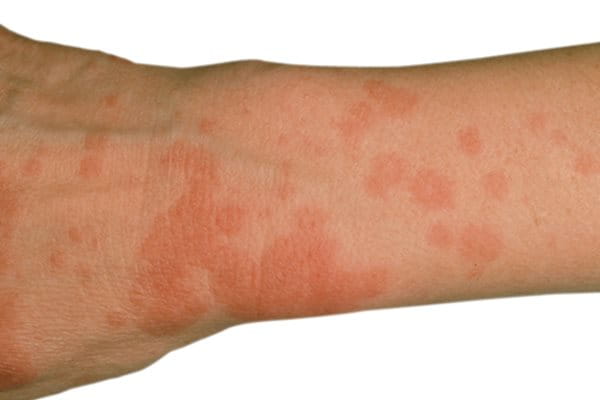
Common Symptoms
- Red rash or bumps
- Itching or burning sensation
- Blisters or hives
- Swelling in affected areas
- Peeling or scaling of the skin

Causes of Sun Allergy
Sun allergies can be caused by a variety of factors, including:
- Genetic predisposition
- Use of certain medications that increase sensitivity to sunlight
- Exposure to certain chemicals or plants
- Underlying medical conditions
Prevention Tips
- Wear protective clothing and wide-brimmed hats.
- Use sunscreen with high SPF and broad-spectrum protection.
- Avoid direct sunlight during peak hours (10 AM - 4 PM).
- Stay in shaded areas whenever possible.
- Reapply sunscreen every two hours, especially after swimming or sweating.
When to See a Doctor
If you experience severe reactions or symptoms that persist, consult a healthcare professional for proper diagnosis and treatment. A doctor may recommend allergy testing or prescribe medications to manage symptoms.
Dental and Other Health Care Tips
Dental Care Tips
- Brush your teeth twice a day with fluoride toothpaste.
- Floss daily to remove plaque and food particles between teeth.
- Visit your dentist regularly for check-ups and cleanings.
- Limit sugary foods and drinks to prevent cavities.
- Replace your toothbrush every 3-4 months or sooner if bristles are frayed.
General Health Care Tips
- Maintain a balanced diet rich in fruits, vegetables, and whole grains.
- Exercise regularly to keep your body active and healthy.
- Stay hydrated by drinking plenty of water throughout the day.
- Get enough sleep to allow your body to recover and recharge.
- Practice good hygiene, such as washing your hands frequently.
Previous Comments: